先掌握两个核心观念
在讲具体做法之前,先了解双语研究者认为母语能不能留住的两个关键:接触量和真实需求。
孩子需要够多的中文输入来累积语言能力,同时也需要在日常生活中有真正得用到中文的理由。下面七个策略,都是围绕着这两件事在做文章。
策略一:在家就说中文(MLAH)
少数语言家庭法(Minority Language at Home)的原则很简单:中文是家里的预设语言,英文留给外面的世界。这为中文画出一条自然的界线,给它一个可以安心成长的空间。
这不是说你在家永远不能冒出一句英文。而是中文是默认的模式。当孩子切换成英文的时候(他们一定会),你温和地继续用中文接话。时间一长,习惯就建立起来了。
**怎么开始:**如果你们家现在还不是这样,可以慢慢来。先设定「中文时段」——晚餐对话、睡前故事、周末早上——然后一点一点扩大范围。
策略二:制造「非说不可」的场合
孩子会去学他需要说的语言。如果家里每个人都懂英文,孩子根本没有非说中文不可的理由——除非你帮他创造。
最有效的方法就是只说中文的人。定期跟爷爷奶奶视频、跟说中文的朋友一起玩、去中文社区活动,都能给孩子一个真正需要开口的理由。
**小建议:**每周安排一次跟主要说中文的亲人视频通话。哪怕只有十五到二十分钟的真实对话,也比好几个小时的被动听力管用得多。
策略三:用「重述」代替纠正
孩子说了英文或中文语法有误的时候,不要直接指出来。用重述的方式——像聊天一样,自然地用正确的中文把他的意思再说一遍。
孩子:「I want the red one.」
你:「你要红色的?好,给你红色的。」
这样做既提供了正确的语言示范,又不会让孩子对说中文产生排斥感。他听到了正确的表达,但完全不觉得被批评。
策略四:让屏幕时间帮你的忙
如果孩子会看影片或玩 app(大概率会),那就让其中一部分变成中文时间。中文卡通、儿歌和教育 app 都能提供宝贵的听力输入。
关键是选孩子真的想看的内容——而不是那种像在上课的「教育片」。孩子喜欢某个英文节目的话,查查有没有中文版。很多热门儿童节目都有普通话配音。
**建议:**设一个简单的规则,比如放学后的屏幕时间固定看中文。
策略五:打造中文书架
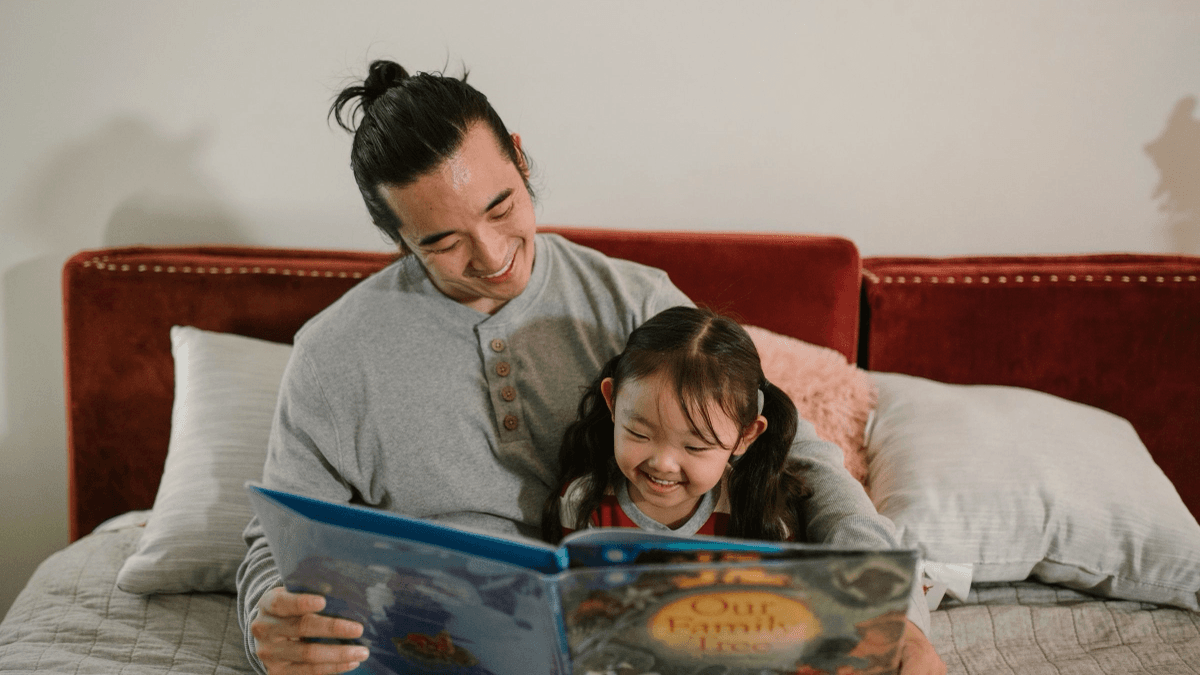
阅读是累积词汇和语感最有效的方式之一。让中文书随处可见——书架上、床头柜上、车里——让翻中文书变成一件自然而然的事。
从小小孩的绘本开始,慢慢加入文字比较多的书。读的过程中需要解释词汇、偶尔中英夹杂都没关系——重点是让中文阅读变成开心的事。
策略六:把中文跟好玩的事绑在一起
让孩子讨厌一种语言最快的方法,就是让它变成苦差事。相反的做法是:把中文跟孩子本来就喜欢的事连在一起。
- 一起做菜,边做边用中文说(食物词汇自然就学会了)
- 做手工的时候用中文引导
- 唱歌——学几首中文儿歌
- 玩要用到中文字或词汇的游戏
- 过节——让中文变得特别、让人兴奋
当中文跟快乐和亲密感连在一起,而不是跟义务挂钩,孩子对语言的态度就会正面起来。
策略七:找到你的同路人
在单语环境里养双语孩子,有时候真的很孤独。找到一起走的家庭,不只为你提供支持,更重要的是给孩子一群说中文的同龄朋友。
可以找找看:
- 你那里有没有中文亲子活动小组
- 周末中文学校或文化课
- 网上的双语育儿社区
- 图书馆、博物馆或社区中心的文化活动
当孩子看到其他小朋友也说中文,「说中文让我显得不一样」的感觉就会慢慢消失。双语变成一件正常的事。
贯穿七个策略的核心
如果有一件事是贯穿所有策略的,那就是:坚持,但对自己和孩子都温柔一点。
总会有孩子不想说中文的日子,也会有英文占上风的阶段。这很正常,不代表你失败了。真正重要的是长期的节奏:持续的接触、真实的需求、和快乐的连结。
母语维护是马拉松,不是百米冲刺。每一次中文对话、每一个睡前故事、每一通跟爷爷奶奶的视频,都是在为孩子的双语未来存钱。
The Two Essential Ingredients
Before diving into specific strategies, it helps to understand what bilingual researchers identify as the two non-negotiable conditions for heritage language success: exposure and need.
Your child needs sufficient input in Chinese to develop their language skills, and they need genuine reasons to use Chinese in their daily life. All seven strategies below work toward maximizing one or both of these conditions.
Strategy 1: Minority Language at Home (MLAH)
The MLAH approach is simple: Chinese is the default language spoken at home. English is for the outside world. This creates a natural boundary that gives Chinese the protected space it needs to thrive.
This doesn't mean you can never speak English at home. It means Chinese is the expected, default mode. When your child switches to English (and they will), you gently continue in Chinese. Over time, this consistency builds the habit.
How to start: If you're not already using MLAH, transition gradually. Start with designated "Chinese times" — dinner conversation, bedtime stories, weekend mornings — and expand from there.
Strategy 2: Create Communicative Need
Children learn to speak the language they need to speak. If everyone in the household understands English, your child has no practical reason to use Chinese — unless you create that reason.
The most powerful motivator is people who only speak Chinese. Regular video calls with grandparents, playdates with Chinese-speaking friends, or visits to Chinese-speaking communities give your child authentic reasons to use their heritage language.
Practical tip: Schedule a weekly video call with a relative who primarily speaks Chinese. Even 15-20 minutes of genuine conversation is more valuable than hours of passive listening.
Strategy 3: Use the Recasting Technique
When your child says something in English or makes a grammar error in Chinese, don't correct them directly. Instead, recast — repeat what they said back in correct Chinese, naturally and conversationally.
Child: "I want the red one." You: "你要紅色的?好,給你紅色的。" (You want the red one? OK, here's the red one.)
This technique provides correct language input without creating negative feelings about Chinese. Your child hears the right way to say it without feeling criticized.
Strategy 4: Make Screen Time Work for You
If your child is going to watch videos or use apps (and they probably are), make some of that time Chinese-language time. Chinese cartoons, children's songs, and educational apps can provide valuable listening exposure.
The key is choosing content that's genuinely engaging — not "educational" content that feels like homework. If your child loves a show in English, see if there's a Chinese version. Many popular children's programs are available in Mandarin.
Recommendation: Set a rule that one specific time slot (like after-school screen time) is always in Chinese.
Strategy 5: Build a Chinese Bookshelf
Reading is one of the most effective ways to build vocabulary and language awareness. Having Chinese books readily available — on the shelf, on the bedside table, in the car — normalizes reading in Chinese.
Start with picture books for younger children and gradually introduce books with more text. Don't worry if you need to explain words or switch between languages while reading — the goal is to make Chinese reading a positive, enjoyable experience.
Strategy 6: Connect Language to Fun Activities
The fastest way to make a child resist a language is to make it feel like a chore. Instead, connect Chinese to activities your child already enjoys:
- Cooking together in Chinese (learning food vocabulary naturally)
- Arts and crafts with Chinese instructions
- Music and singing Chinese children's songs
- Games that use Chinese characters or vocabulary
- Cultural celebrations that make Chinese feel special and exciting
When Chinese is associated with fun and connection rather than obligation, children develop positive attitudes toward the language.
Strategy 7: Find Your Community
Raising a bilingual child in a monolingual environment can feel isolating. Finding other families on the same journey provides support for parents and, crucially, Chinese-speaking peers for your child.
Look for:
- Heritage language playgroups in your area
- Chinese weekend schools or cultural programs
- Online communities of bilingual parenting families
- Cultural events at libraries, museums, or community centers
When your child sees other kids speaking Chinese, it normalizes bilingualism and reduces the feeling that Chinese makes them "different."
The Most Important Strategy
If there's one overarching principle that ties all seven strategies together, it's this: be consistent, but be kind — to yourself and your child.
There will be days when your child refuses to speak Chinese. There will be phases where English dominates. This is normal and doesn't mean you've failed. What matters is the long-term pattern of exposure, need, and positive association.
Heritage language maintenance is a marathon, not a sprint. Every Chinese conversation, every bedtime story, every video call with grandma is a deposit in your child's bilingual future.