五岁,是什么样子
五岁是开始读中文的好年纪——但前提是,你的期待要对得上眼前这个孩子。一个五岁的孩子,专注力短、情绪大、爱重复,而且对任何像「功课」的东西几乎没有耐性。真正管用的计划,不是最有野心的那个,而是一个五岁孩子明天还会开开心心回来的那个。
所以这不是一套课程。这是一个围绕着「五岁孩子实际上怎么运作」打造的、实际的节奏。
五岁该专注什么
声音和意义优先
五岁的目标,不是认字量——而是和这个语言建立一段温暖、有信心的关系。从听开始:儿歌、用母语者的声音念出来的简单故事、和孩子的世界有关的日常词(家人、食物、动物、颜色)。在字背后的声音变得熟悉、亲切之前,字本身没有意义。
一小把字——透过故事学
从很少几个高频、有意义的字开始,并在真正的(非常短的)故事里遇到它们,而不是在一叠卡片上。五岁的时候,「我读完一整本书」抵得过一百张背起来的字卡——是这个经验,让他想要更多。
喜悦胜过「学完」
如果你的五岁孩子是笑着结束一节的,你就赢了。如果他是叹着气结束的,那计划要变更小,而不是更严。把「好玩」放在一切之上——那是唯一能让一个五岁孩子一直回来的东西。
五岁该跳过什么
- **太长的时段。**专心的十分钟,胜过坐不住的三十分钟。
- **写字操练。**很多孩子在五岁,发展上还没准备好写字——硬推可能把整个体验弄坏。先读,写可以以后再说。
- **比较。**别管邻居家的孩子会什么。你的五岁孩子,走在他自己的时间轴上。
- **「落后」的焦虑。**五岁没有落后这回事。只有「开始了」和「还没开始」。
一个温和的每日节奏
这是一个塞得进真实家庭生活的十分钟形状:
- **两分钟的声音。**按下一首歌的播放键,或让孩子用母语者的声音听到今天的新字。
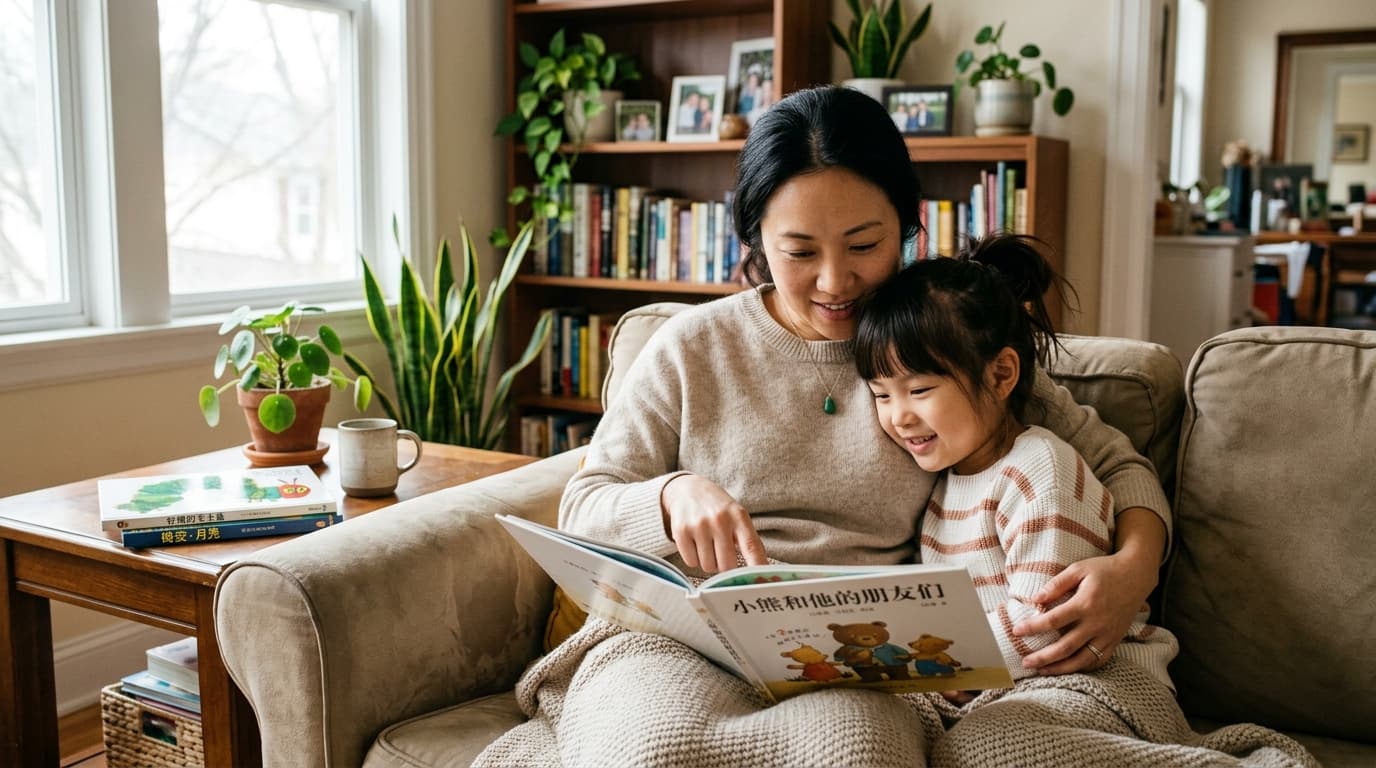
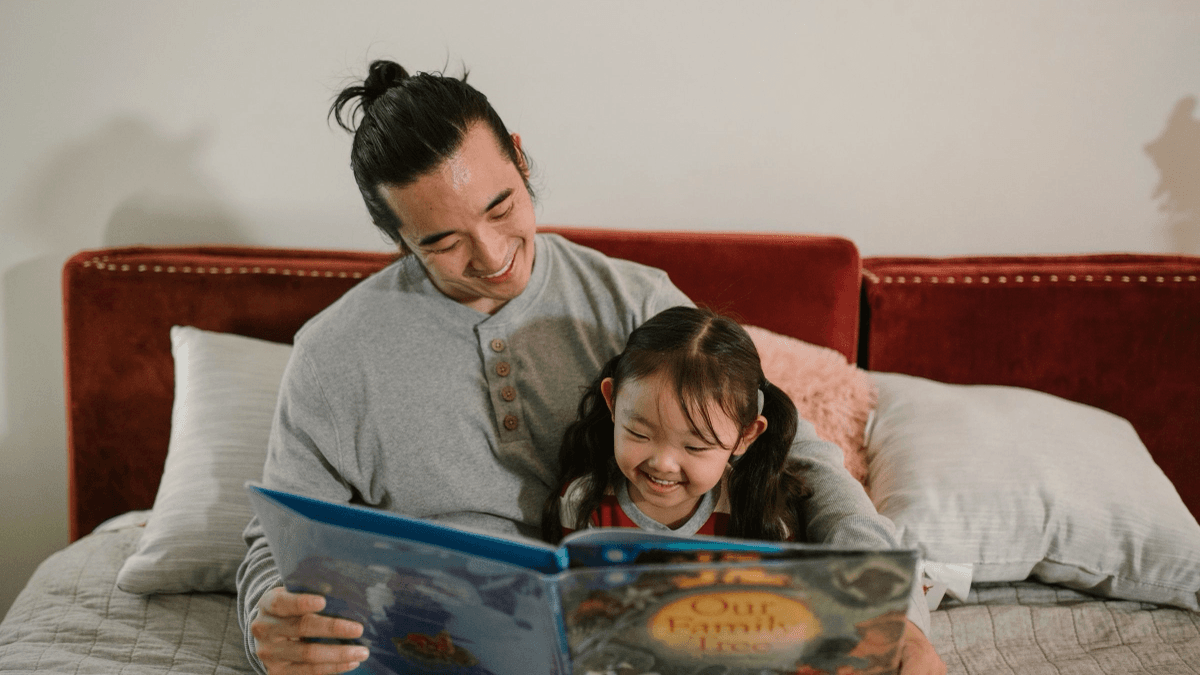
- **五分钟的故事。**一起读一篇短短的分级故事——「一起」可以是你坐在他旁边、让音频读,或他「读」给你听。你是观众,不是老师。
- **三分钟的游戏。**用一个快速、好玩的复习小游戏收尾,让这一节在笑声中结束。
每天同一个时段——晚餐后、洗澡前、车里。是稳定,不是时间长,让十分钟在一年之后变成真正读得懂。
如果你的五岁孩子抗拒
有些日子他就是不想。这很正常,不是危机。把时段缩短、跟着他的兴趣走,永远别把中文变成一场角力——一个把中文和冲突连在一起的孩子,会学会回避它。一个开心的一分钟,胜过十个被逼的一分钟。明天,又是一次机会。
结论
对一个五岁孩子来说,成功不是认字量——而是一个喜欢中文、想要下一个故事的孩子。维持短、维持温暖、声音先行,让真正的小故事去教。做到这一点,字自己会长起来。
Boba Chinese 正是为这个年纪设计的:一次几个字,每一个都由母语者发音,包在一个真正的分级故事里——大约每天十分钟,完全不需要你来读。免费试试,让你的五岁孩子读完他的第一本中文书。
What Five Looks Like
Five is a wonderful age to begin reading Chinese — but only if your expectations match the child in front of you. A five-year-old has a short attention span, big feelings, a love of repetition, and almost no patience for anything that feels like a chore. The plan that works isn't the most ambitious one; it's the one a five-year-old will happily come back to tomorrow.
So this isn't a curriculum. It's a realistic rhythm built around how five-year-olds actually tick.
What to Focus On at Five
Sound and meaning first
At five, the goal isn't a big character count — it's building a warm, confident relationship with the language. Lead with listening: songs, simple stories read aloud in a native voice, everyday words tied to your child's world (family, food, animals, colors). Characters mean nothing until the sounds behind them feel familiar and friendly.
A small handful of characters — learned through stories
Begin with a tiny set of high-frequency, meaningful characters and meet them inside real (very short) stories rather than on a stack of cards. At five, "I read a whole book" is worth a hundred memorized flashcards — it's the experience that makes them want more.
Joy over completeness
If your five-year-old finishes a session laughing, you won. If they finish it sighing, the plan needs to get smaller, not stricter. Protect the fun above all else — it's the only thing that keeps a five-year-old coming back.
What to Skip at Five
- Long sessions. Ten focused minutes beats thirty restless ones.
- Writing drills. Plenty of children aren't developmentally ready to write characters at five — and pushing it can sour the whole experience. Reading first; writing can come later.
- Comparison. Forget what the neighbor's child can do. Your five-year-old is on their own timeline.
- Pressure about "falling behind." There is no behind at five. There's only "started" and "not started yet."
A Gentle Daily Rhythm
Here's a ten-minute shape that fits real family life:
- Two minutes of sound. Press play on a song or let your child hear today's new characters spoken by a native voice.
- Five minutes of story. Read one short leveled story together — "together" can mean you sit beside them while the audio reads, or they "read" it to you. You're the audience, not the teacher.
- Three minutes of play. Finish with a quick, playful review game so the session ends on a laugh.
Same slot every day — after dinner, before bath, in the car. Consistency, not length, is what turns ten minutes into real reading over a year.
If Your Five-Year-Old Resists
Some days they won't want to. That's normal and not a crisis. Shrink the session, follow their interests, and never turn Chinese into a battle — a child who associates Chinese with conflict learns to avoid it. One happy minute beats ten forced ones. Tomorrow is another chance.
The Bottom Line
For a five-year-old, success isn't a character count — it's a child who likes Chinese and wants the next story. Keep it short, keep it warm, lead with sound, and let real little stories do the teaching. Do that, and the characters take care of themselves.
Boba Chinese is designed for exactly this age: a few characters at a time, every one voiced by a native speaker, wrapped in a real leveled story — about ten minutes a day, no reading required from you. Try it free and let your five-year-old read their first Chinese book.