「可是我自己也看不太懂」
这是海外华裔父母心里最常见的一个担忧:*我希望孩子会读中文——可是我自己都快不会读了。*也许你在家会说一点中文,但一看到整页的字就卡住;也许你从小在国外长大,根本没学过认字。无论是哪一种,那份愧疚是一样的:我自己都没有的东西,要怎么给孩子?
这里有一个让人安心、而且有几十年双语研究支撑的事实:**你的任务,不是当那本教科书。**孩子不是靠一个中文很好的父母学会认字的——他们靠的是稳定的接触、对的材料,以及一个能把过程维持得愉快的人。就算你从头到尾没跟着读出一个字,你也完全可以是那个人。
「读」和「说」是两种不同的能力
记住一件事会很有帮助:说、听、读是不同的能力——你的孩子(还有你自己)可能其中一项很强、另一项很弱。很多华裔孩子听普通话听得懂,却从来没把那些声音和纸上的字连起来。而「读」,就是把他们已经会听的声音,和眼前看到的字连起来的那座桥。
这座桥,不需要你亲手撑着。它需要三样东西一起运作——而这三样,没有一样取决于你自己会不会读。
真正在「教」的,是这三样东西
一、孩子随时能听到的真人发音
非母语父母最大的恐惧,就是自己念错一个字,把错误传给孩子。你不必担这个心。当孩子的材料本身就附有清楚的母语者发音,正确的读音就内建在里面了——孩子每一次听到的都是对的声音,而你完全没有压力。你的角色从「必须念对的老师」,变成「按下播放、陪着一起听的父母」。
二、只用孩子已经会的字写成的书
大部分在家自己教的尝试,都是在这里悄悄垮掉的。父母买了一本漂亮的中文绘本,翻开一看,整页都是五岁孩子从没见过的字。挫折随之而来,书就被放回架上。
分级读物正是为了解决这件事。一套好的分级系统,会先带入几个字,再给孩子读那种只用他们已经学过的字写成的故事。每一页都是一个小小的成就感,而不是一堵墙。孩子读的是一本真正的书——不是一张字卡——而他会觉得自己是个「会读书的人」,因为他确实是。
三、玩起来像游戏、而不像操练的重复
字要靠反复、低压力的接触才会记住——而最快浇熄孩子兴趣的方法,就是把这种重复弄得像写作业。当复习被包装成游戏,孩子会把同样的字练上几十次,却从来不觉得在「被考」。他以为自己在玩,其实他在读。
注意一下这份清单上没有的东西:你,正襟危坐地上一堂正式的课。当这三块都到位,教学会自己发生。
一个每天十分钟、做得到的计划
你不需要一个小时。你不需要一整本课程讲义。你需要的是一个小小的、可以重复的、孩子会期待的习惯。
- **固定一个时段。**晚餐后、洗澡前、回家路上的车里都行。稳定,永远比时间长更重要。
- **从声音开始,不从字开始。**先让孩子用母语者的声音听到新的字。熟悉的声音,会让那个字显得亲切,而不是陌生。
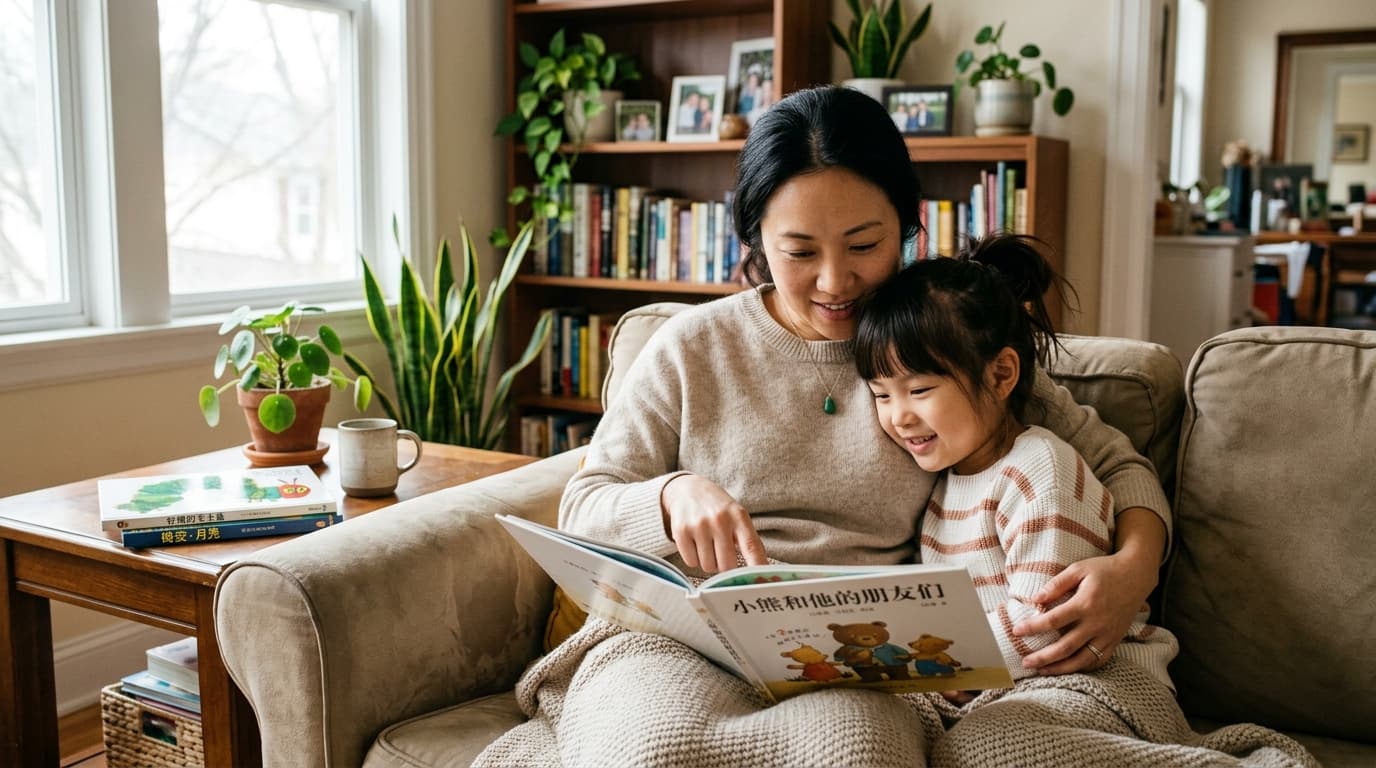
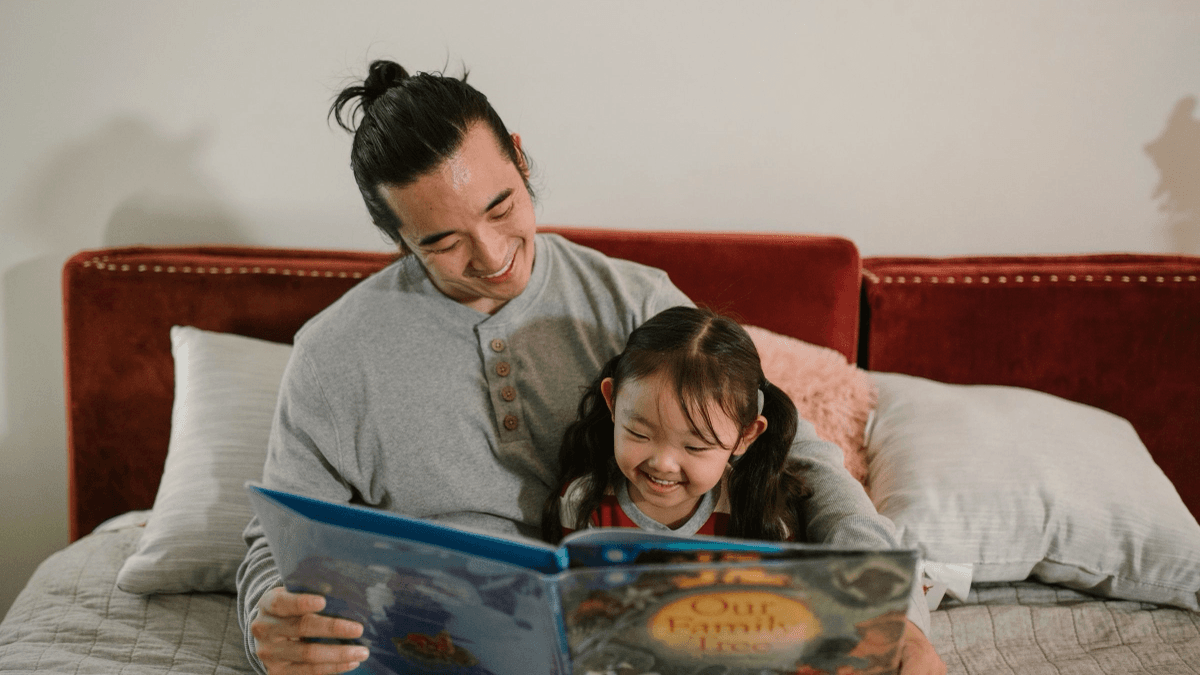
- 一起读一篇短短的分级故事。「一起」可以只是坐在他旁边、让音频读出来,或者让他反过来告诉你这个字怎么念。你是观众,不是专家。
- **用游戏收尾,不用考试收尾。**最后留两三分钟玩一玩,让这一段在笑声中结束,而不是在叹气中结束。
- **在他还想要更多的时候停下来。**十分钟的好时光,胜过二十分钟最后哭收场。
每天十分钟,一周大约就是一个小时——而一年下来,这安静、稳定的一个小时,会累积成真正读得懂的能力。
「那我该教简体还是繁体?」
这个问题,让很多家庭还没开始就卡住了。老实说:**你不必今天就把一切都决定好。**两种字共用同一套口语,重叠的部分也很多,会读其中一种的孩子,所累积的能力会迁移到另一种。
比「选对字体」重要得多的,是先开始——并且选用那种让你能切换、或两种都能显示的材料,让你的决定永远不会被锁死。让你家的实际情况来决定(爷爷奶奶用哪一种、你们当地社区或周末中文学校用哪一种),底下的工具则保持弹性。至于发音辅助,在它存在的时候,是背景里一个安静的帮手——而不是孩子正在「学」的东西。目标始终如一:一个能拿起一本中文书、读得下去的孩子。
你真正的工作:把温度留住
如果这篇文章你只带走一件事,请让它是这件:**你能带给孩子最重要的,不是流利,而是温暖。**孩子会把情绪和语言绑在一起。一个把中文和「窝在爸妈身边的温馨时光、一个个小成就、还有笑声」联想在一起的孩子,会一直回到中文这里来。而一个把中文和压力、纠正联想在一起的孩子,会悄悄把那扇门关上。
你不需要读得懂那些字。你需要的是:出现、按下播放、为每一个小小的成就喝采,然后让材料去扛重活。这件事,你做得到——今晚就可以开始。
Boba Chinese 就是为这样的父母打造的。每一个故事都只用孩子已经学过的字,每一个词都由母语者发音,整个 Learn → Read → Play 的循环大约只要每天十分钟——完全不需要你来读。免费试试,看着孩子读完他人生中第一本中文书。
"But I Can Barely Read It Myself"
It's one of the most common worries heritage parents carry: I want my child to read Chinese — but I can't really read it anymore. Maybe you speak some Mandarin at home but freeze up in front of a page of characters. Maybe you grew up overseas and never learned to read in the first place. Either way, the guilt is the same: how can I give my child something I don't have?
Here's the reassuring truth, backed by decades of bilingual research: your job is not to be the textbook. Children don't learn to read from a fluent parent — they learn from consistent exposure, the right materials, and someone who keeps the experience positive. You can absolutely be that someone, even if you never read a single character alongside them.
Reading Is a Separate Skill From Speaking
It helps to remember that speaking, listening, and reading are different skills — your child (and you) can be strong in one and weak in another. Plenty of heritage kids understand spoken Mandarin perfectly but have never connected those sounds to characters on a page. Reading is the bridge that connects what they already hear to what they see.
That bridge doesn't require you to be the one holding it up. It requires three things working together — and none of them depend on your own reading ability.
The Three Things That Do the Actual Teaching
1. A native voice your child can hear, on demand
The single biggest fear of a non-fluent parent is mispronouncing a word and passing the mistake on. You don't have to. When your child's materials come with clear native-speaker audio, the correct pronunciation is built in — your child hears the right sound every time, with zero pressure on you. Your role shifts from "teacher who must get it right" to "parent who presses play and listens along."
2. Books that only use characters your child already knows
This is where most home efforts quietly fall apart. A parent buys a beautiful Chinese picture book, opens it, and finds a wall of characters their five-year-old has never seen. Frustration follows, and the book goes back on the shelf.
Leveled readers solve this. A good leveled system introduces a handful of characters, then gives your child stories built only from characters they've already learned. Every page is a small win instead of a wall. Your child reads a real book — not a flashcard — and feels like a reader, because they are one.
3. Repetition that feels like play, not drilling
Characters stick through repeated, low-stress exposure — and the fastest way to kill a child's interest is to make that repetition feel like homework. When review is wrapped in games, your child practices the same characters dozens of times without ever feeling "tested." They think they're playing. They're actually reading.
Notice what's not on this list: you, sitting down to teach a formal lesson. When these three pieces are in place, the teaching happens on its own.
A Realistic Ten-Minutes-a-Day Plan
You don't need an hour. You don't need a curriculum binder. You need a small, repeatable routine your child looks forward to.
- Pick one consistent slot. After dinner, before a bath, in the car on the way home. Consistency beats length every time.
- Start with sound, not the page. Let your child hear the new characters spoken by a native voice first. Familiar sound makes the character feel friendly, not foreign.
- Read one short leveled story together. "Together" can simply mean sitting beside them while the audio reads, or letting them tell you what the character says. You are the audience, not the expert.
- End on a game, not a quiz. Finish with two or three minutes of playful review so the session ends with a laugh, not a sigh.
- Stop while they still want more. Ten good minutes beats twenty that end in tears.
Ten minutes a day is roughly an hour a week — and over a year, that quiet, consistent hour adds up to real reading.
"Should I Teach Simplified or Traditional?"
This question stalls a lot of families before they even begin. The honest answer: you don't have to decide everything today. The two scripts share the same spoken language and a great deal of overlap, and a child who learns to read in one builds skills that transfer to the other.
What matters far more than picking the "right" script is starting at all — and choosing materials that let you switch or show both, so your decision is never locked in. Let your family's context guide you (which script grandparents use, which your local community or weekend school uses), and let the tools stay flexible underneath you. Phonetic support, when it's there, is a quiet helper in the background — not the thing your child is "learning." The goal is always the same: a child who can pick up a Chinese book and read it.
Your Real Job: Keep It Warm
If you take one thing from this, let it be this: the most important thing you bring isn't fluency — it's warmth. Children attach emotions to languages. A child who associates Chinese with cozy time beside a parent, small wins, and laughter will keep coming back to it. A child who associates it with stress and correction will quietly close the door.
You don't need to read the characters. You need to show up, press play, celebrate the wins, and let the materials do the heavy lifting. That you can do — starting tonight.
Boba Chinese was built for exactly this parent. Every story uses only characters your child has already learned, every word is voiced by a native speaker, and the whole Learn → Read → Play cycle takes about ten minutes a day — no reading required from you. Try it free and watch your child read their first Chinese book.