為什麼十分鐘勝過兩小時
大部分華裔家庭放棄中文,不是因為做得太少,而是因為計劃得太多——一堂野心勃勃的週末「中文課」,辦起來累人、又容易跳過,然後在三月默默地被放掉了。
語言不像考前抱佛腳。字是靠頻繁、有間隔的接觸才黏住的——你的大腦需要今天遇到一個字、明天再遇到、後天又遇到。每天十分鐘,給孩子一週七次相遇。一堂兩小時的課,只給一次,中間隔著六天的遺忘。少量、常常,幾乎每一次都贏。
十分鐘還小到能撐過糟糕的一天。當計劃是兩小時,一個不順的禮拜就讓一切脫軌。當它是十分鐘,就算在難熬的日子裡,你也能讓連續紀錄活下去——而那串連續紀錄,就是整場遊戲的重點。
這套日常
這是一個塞得進真實夜晚的十分鐘形狀:
第 1–2 分鐘:聲音
從耳朵開始,不從字開始。按下一首歌,或讓孩子用母語者的聲音聽到今天的新字。熟悉的聲音,會讓接下來的字顯得親切,而不是陌生——也在毫無壓力的情況下,把孩子暖起來。
第 3–8 分鐘:一篇短故事
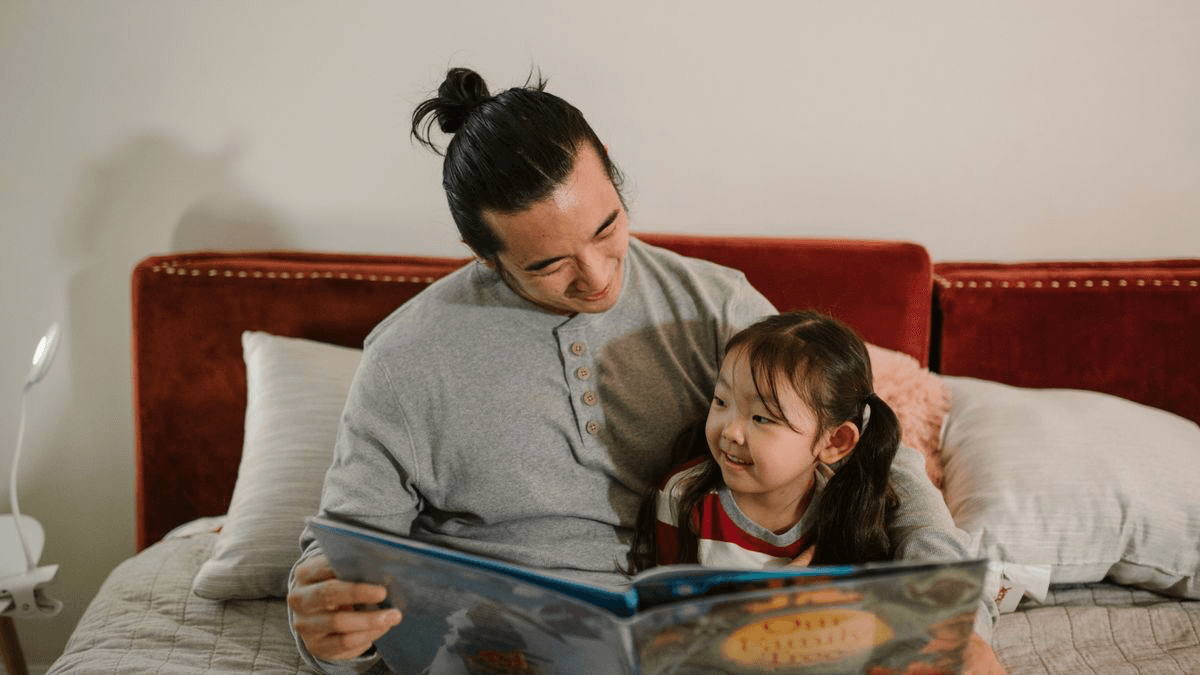
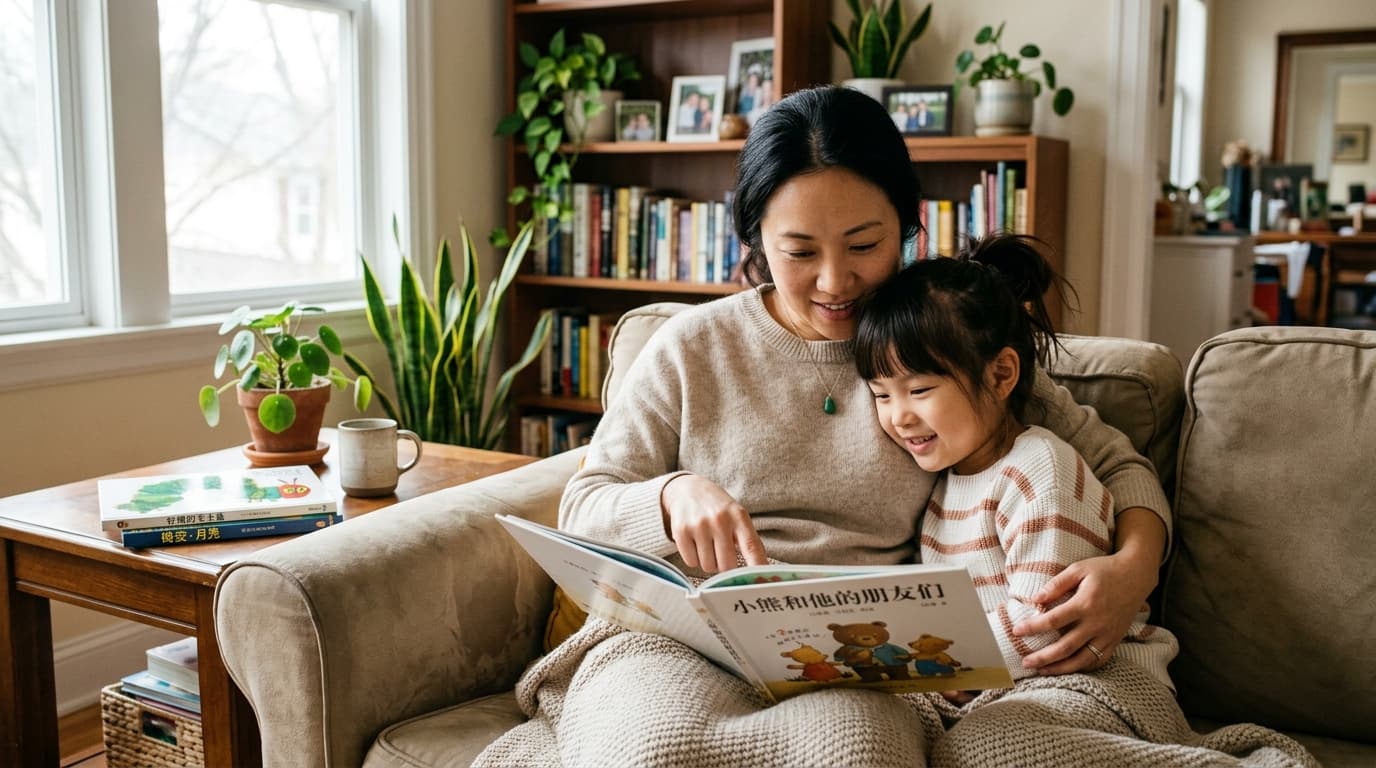
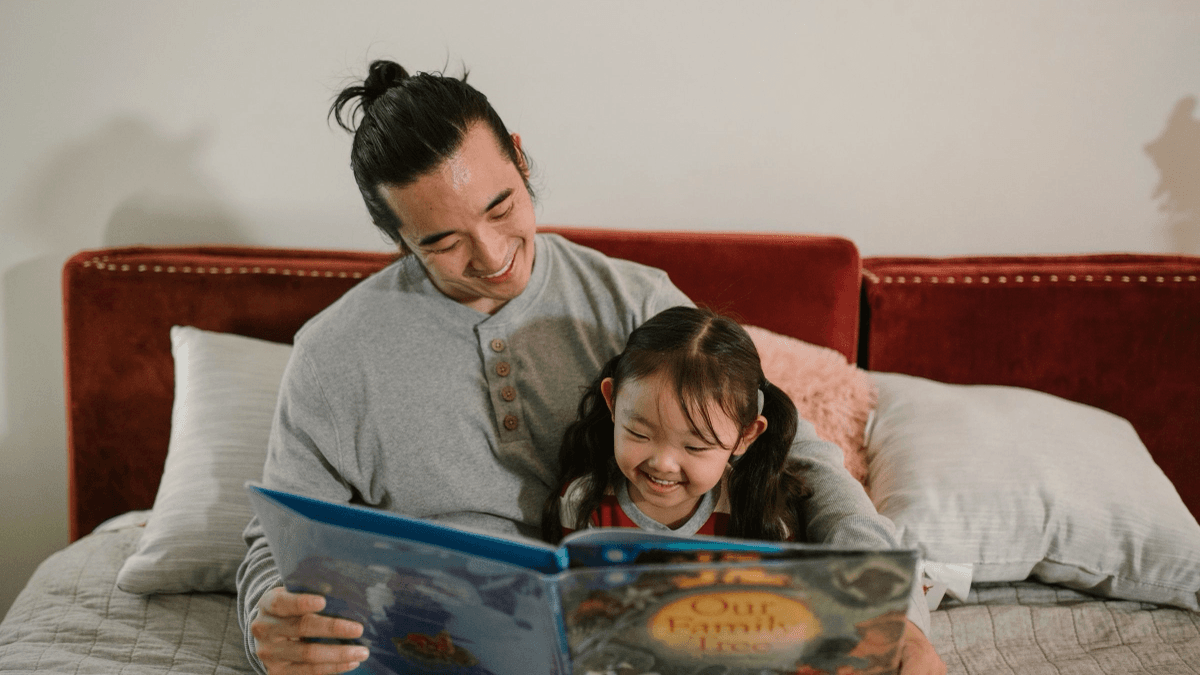
讀一篇短短的分級故事——一篇只用孩子已經會的字寫成的,讓每一頁都讀得下去。「一起讀」可以是你坐在他旁邊、讓音訊讀,輪流讀,或讓他告訴你發生了什麼。你不需要自己讀那些字;你需要的,是他身邊那個溫暖的存在。
第 9–10 分鐘:一個快速的遊戲
用玩收尾。兩三分鐘的輕鬆複習遊戲,把今天的字封進去,而且——同樣重要——讓這一節在笑聲中結束,讓孩子期待明天。
就這樣。沒有講義、沒有備課、不需要你中文有多好。
怎麼讓它維持下去
- **把它黏在你已經在做的事情上。**晚餐後、洗澡前、回家的車上。一個黏在既有習慣上的日常活得下來;一個漂浮在空中的活不下來。
- **同樣的時間、同樣的地點。**可預測會降低抗拒——當「中文時間」就只是一天的一部分,像刷牙一樣,孩子就不再跟你討價還價。
- **守的是連續,不是完美。**漏了一天?別愧疚——接回來就好。一串有缺口的連續紀錄,還是勝過一個你放棄了的計劃。
- **永遠在高點收尾。**在孩子還想要更多的時候停下來。他離開時帶著的那種感覺,就是他明天會帶回來的東西。
- **讓材料去扛重活。**這套日常越不依賴你的精力和中文能力,它就越可能撐過一個累人的禮拜。
一個該讓你安心的算術
每天十分鐘,一週大約一個小時——而一年下來,那大約是六十個小時專心、愉快的中文閱讀,幾乎完全是用那些你本來會花在轉頭就忘的事情上的片刻拼出來的。你不需要找出大塊的時間。你需要的是佔下十分鐘,然後一直佔下去。
結論
忘掉那個英雄式的計劃吧。那些孩子最後真的會讀中文的家庭,不是某一天做最多的那些——而是每天做一點點、幾乎天天做、做了很久的那些。溫暖的十分鐘,黏在你的夜晚上,是一個你真的守得住的計劃。而你守得住的那個,是唯一管用的那個。
Boba Chinese 正是圍繞「十分鐘的一天」打造的:聽一聽、讀一篇真正的故事、玩一個快速的遊戲——每一個字都由母語者發音,完全不需要你來讀。免費試試,今晚就開始你的連續紀錄。
Why Ten Minutes Beats Two Hours
Most heritage families don't quit Chinese because they tried too little. They quit because they planned too much — an ambitious weekend "Chinese class" that's exhausting to run, easy to skip, and quietly abandoned by March.
Language doesn't work like cramming. Characters stick through frequent, spaced exposure — your brain needs to meet a character today, again tomorrow, again the day after. Ten minutes every day gives your child seven encounters a week. A single two-hour session gives them one, with six days of forgetting in between. Little and often wins, almost every time.
Ten minutes is also small enough to survive a bad day. When the plan is two hours, one rough week derails everything. When it's ten minutes, you can keep the streak alive even on the hard days — and the streak is the whole game.
The Routine
Here's a ten-minute shape that fits a real evening:
Minutes 1–2: Sound
Start with the ear, not the page. Press play on a song, or let your child hear the day's new characters spoken by a native voice. Familiar sound makes the characters that follow feel friendly instead of foreign — and it warms your child up without any pressure.
Minutes 3–8: One short story
Read a single short leveled story — one built only from characters your child already knows, so every page is readable. "Reading together" can mean sitting beside them while the audio reads, taking turns, or letting them tell you what's happening. You don't need to read the characters yourself; you need to be the warm presence beside them.
Minutes 9–10: A quick game
End on play. Two or three minutes of a light review game seals in the day's characters and — just as important — ends the session with a laugh, so your child looks forward to tomorrow.
That's it. No binder, no lesson prep, no fluency required from you.
Making It Stick
- Anchor it to something you already do. After dinner, before the bath, in the car on the way home. A routine glued to an existing habit survives; a free-floating one doesn't.
- Same time, same place. Predictability lowers resistance — your child stops negotiating when "Chinese time" is just part of the day, like brushing teeth.
- Protect the streak, not the perfection. Missed a day? No guilt — just pick it back up. A streak with gaps still beats a plan you abandoned.
- End on a high, always. Stop while your child still wants more. The feeling they leave with is what they'll bring back tomorrow.
- Let the materials carry the load. The less the routine depends on your energy and Chinese ability, the more likely it survives a tiring week.
The Math That Should Reassure You
Ten minutes a day is about an hour a week — and over a year, that's roughly sixty hours of focused, joyful Chinese reading, built almost entirely out of moments you'd otherwise spend on something forgettable. You don't need to find big blocks of time. You need to claim ten minutes, and keep claiming them.
The Bottom Line
Forget the heroic plan. The families whose kids end up reading Chinese aren't the ones who did the most in a day — they're the ones who did a little, almost every day, for a long time. Ten warm minutes, anchored to your evening, is a plan you can actually keep. And the plan you keep is the only one that works.
Boba Chinese is built around the ten-minute day: hear it, read a real story, play a quick game — every character voiced by a native speaker, no reading required from you. Try it free and start your streak tonight.