五歲,是什麼樣子
五歲是開始讀中文的好年紀——但前提是,你的期待要對得上眼前這個孩子。一個五歲的孩子,專注力短、情緒大、愛重複,而且對任何像「功課」的東西幾乎沒有耐性。真正管用的計劃,不是最有野心的那個,而是一個五歲孩子明天還會開開心心回來的那個。
所以這不是一套課程。這是一個圍繞著「五歲孩子實際上怎麼運作」打造的、實際的節奏。
五歲該專注什麼
聲音和意義優先
五歲的目標,不是認字量——而是和這個語言建立一段溫暖、有信心的關係。從聽開始:兒歌、用母語者的聲音念出來的簡單故事、和孩子的世界有關的日常詞(家人、食物、動物、顏色)。在字背後的聲音變得熟悉、親切之前,字本身沒有意義。
一小把字——透過故事學
從很少幾個高頻、有意義的字開始,並在真正的(非常短的)故事裡遇到它們,而不是在一疊卡片上。五歲的時候,「我讀完一整本書」抵得過一百張背起來的字卡——是這個經驗,讓他想要更多。
喜悅勝過「學完」
如果你的五歲孩子是笑著結束一節的,你就贏了。如果他是嘆著氣結束的,那計劃要變更小,而不是更嚴。把「好玩」放在一切之上——那是唯一能讓一個五歲孩子一直回來的東西。
五歲該跳過什麼
- **太長的時段。**專心的十分鐘,勝過坐不住的三十分鐘。
- **寫字操練。**很多孩子在五歲,發展上還沒準備好寫字——硬推可能把整個體驗弄壞。先讀,寫可以以後再說。
- **比較。**別管鄰居家的孩子會什麼。你的五歲孩子,走在他自己的時間軸上。
- **「落後」的焦慮。**五歲沒有落後這回事。只有「開始了」和「還沒開始」。
一個溫和的每日節奏
這是一個塞得進真實家庭生活的十分鐘形狀:
- **兩分鐘的聲音。**按下一首歌的播放鍵,或讓孩子用母語者的聲音聽到今天的新字。
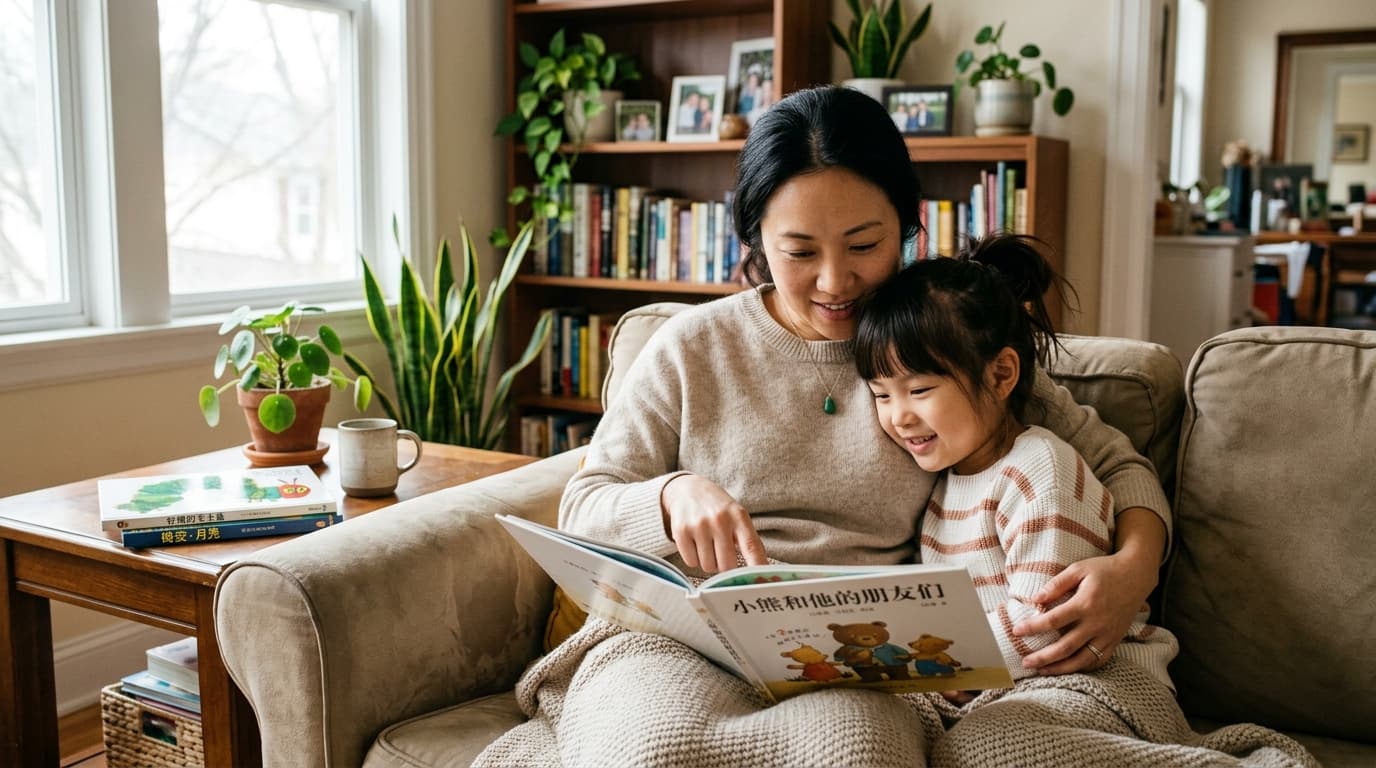
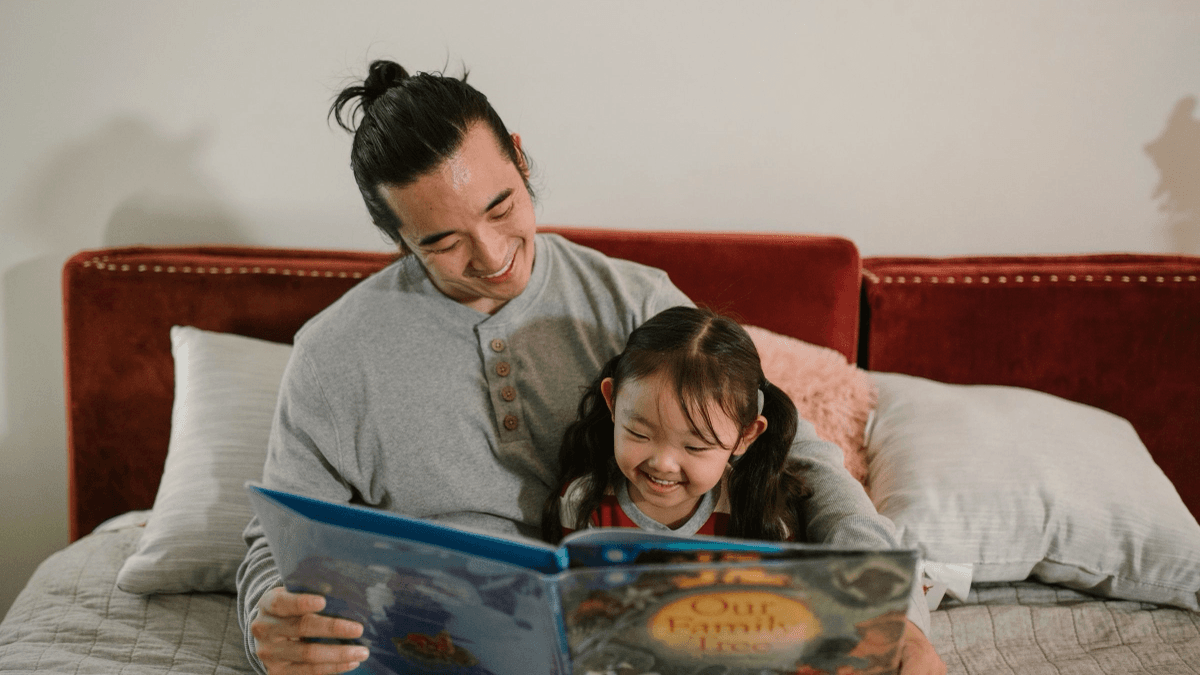
- **五分鐘的故事。**一起讀一篇短短的分級故事——「一起」可以是你坐在他旁邊、讓音訊讀,或他「讀」給你聽。你是觀眾,不是老師。
- **三分鐘的遊戲。**用一個快速、好玩的複習小遊戲收尾,讓這一節在笑聲中結束。
每天同一個時段——晚餐後、洗澡前、車裡。是穩定,不是時間長,讓十分鐘在一年之後變成真正讀得懂。
如果你的五歲孩子抗拒
有些日子他就是不想。這很正常,不是危機。把時段縮短、跟著他的興趣走,永遠別把中文變成一場角力——一個把中文和衝突連在一起的孩子,會學會迴避它。一個開心的一分鐘,勝過十個被逼的一分鐘。明天,又是一次機會。
結論
對一個五歲孩子來說,成功不是認字量——而是一個喜歡中文、想要下一個故事的孩子。維持短、維持溫暖、聲音先行,讓真正的小故事去教。做到這一點,字自己會長起來。
Boba Chinese 正是為這個年紀設計的:一次幾個字,每一個都由母語者發音,包在一個真正的分級故事裡——大約每天十分鐘,完全不需要你來讀。免費試試,讓你的五歲孩子讀完他的第一本中文書。
What Five Looks Like
Five is a wonderful age to begin reading Chinese — but only if your expectations match the child in front of you. A five-year-old has a short attention span, big feelings, a love of repetition, and almost no patience for anything that feels like a chore. The plan that works isn't the most ambitious one; it's the one a five-year-old will happily come back to tomorrow.
So this isn't a curriculum. It's a realistic rhythm built around how five-year-olds actually tick.
What to Focus On at Five
Sound and meaning first
At five, the goal isn't a big character count — it's building a warm, confident relationship with the language. Lead with listening: songs, simple stories read aloud in a native voice, everyday words tied to your child's world (family, food, animals, colors). Characters mean nothing until the sounds behind them feel familiar and friendly.
A small handful of characters — learned through stories
Begin with a tiny set of high-frequency, meaningful characters and meet them inside real (very short) stories rather than on a stack of cards. At five, "I read a whole book" is worth a hundred memorized flashcards — it's the experience that makes them want more.
Joy over completeness
If your five-year-old finishes a session laughing, you won. If they finish it sighing, the plan needs to get smaller, not stricter. Protect the fun above all else — it's the only thing that keeps a five-year-old coming back.
What to Skip at Five
- Long sessions. Ten focused minutes beats thirty restless ones.
- Writing drills. Plenty of children aren't developmentally ready to write characters at five — and pushing it can sour the whole experience. Reading first; writing can come later.
- Comparison. Forget what the neighbor's child can do. Your five-year-old is on their own timeline.
- Pressure about "falling behind." There is no behind at five. There's only "started" and "not started yet."
A Gentle Daily Rhythm
Here's a ten-minute shape that fits real family life:
- Two minutes of sound. Press play on a song or let your child hear today's new characters spoken by a native voice.
- Five minutes of story. Read one short leveled story together — "together" can mean you sit beside them while the audio reads, or they "read" it to you. You're the audience, not the teacher.
- Three minutes of play. Finish with a quick, playful review game so the session ends on a laugh.
Same slot every day — after dinner, before bath, in the car. Consistency, not length, is what turns ten minutes into real reading over a year.
If Your Five-Year-Old Resists
Some days they won't want to. That's normal and not a crisis. Shrink the session, follow their interests, and never turn Chinese into a battle — a child who associates Chinese with conflict learns to avoid it. One happy minute beats ten forced ones. Tomorrow is another chance.
The Bottom Line
For a five-year-old, success isn't a character count — it's a child who likes Chinese and wants the next story. Keep it short, keep it warm, lead with sound, and let real little stories do the teaching. Do that, and the characters take care of themselves.
Boba Chinese is designed for exactly this age: a few characters at a time, every one voiced by a native speaker, wrapped in a real leveled story — about ten minutes a day, no reading required from you. Try it free and let your five-year-old read their first Chinese book.