問題背後的問題
「我該幾歲開始教孩子認中文字?」這個問題,很少只是在問年齡。它底下藏著一個更安靜的擔憂:我是不是太晚了?是不是錯過了那個視窗?
先深呼吸——你幾乎可以確定沒有錯過。認中文字這件事,並沒有一道在六歲關上的門。比生日重要得多的,是準備好了加上持續。四歲和八歲的孩子都能順利開始,只是開始的方式會稍微不一樣。
先會說,才會讀
不管哪一種語言,孩子都是先學會聽和說,再學會讀。中文也不例外。孩子需要先有一批口語詞彙——那些他一聽就懂的詞——字才會有意義。在孩子已經熟悉、也喜歡「mā」這個聲音、以及它指向的那個人之前,「媽」這個字只是一個圖形而已。
這對華裔家庭是個好訊息。如果你家裡多少會說一點普通話,那你其實早就在為「讀」打底了,只是沒把它叫做讀而已。識字教學,無非就是把孩子已經會的聲音,和紙上的符號連起來。
孩子準備好了的跡象
你不需要考他。留意這些日常的小訊號:
- 他發現符號是有意義的——指著商標、招牌或字問「那個寫什麼?」
- 他能坐著看一本繪本,專心跟著故事好幾分鐘。
- 他喜歡重複——一首歌、一個故事要聽了又聽(這正是把字記牢的本能)。
- 他有一些口語中文可以掛靠——哪怕只是一點點日常詞彙,就足以開始。
如果你看到其中幾項,那不管他是四歲還是八歲,他都準備好可以開始了。
怎麼溫和地開始
從很少的幾個字開始
忍住想「多教一點」的衝動。讓孩子討厭中文最快的方法,就是丟給他一疊五十張的字卡。先從一小把高頻、有意義、跟孩子的世界有關的字開始(人、大、媽、水)。幾個字,學得紮實、常常回頭看,遠勝過五十個一知半解的字。
每個字都連上聲音和意義
孤立學會的字很脆弱。一個孩子聽過母語者念、在故事裡見過、在遊戲裡用過的字,才會黏得住。先聲音,再字形,然後給他一個用得上的機會。
幾乎是立刻就進入「讀」
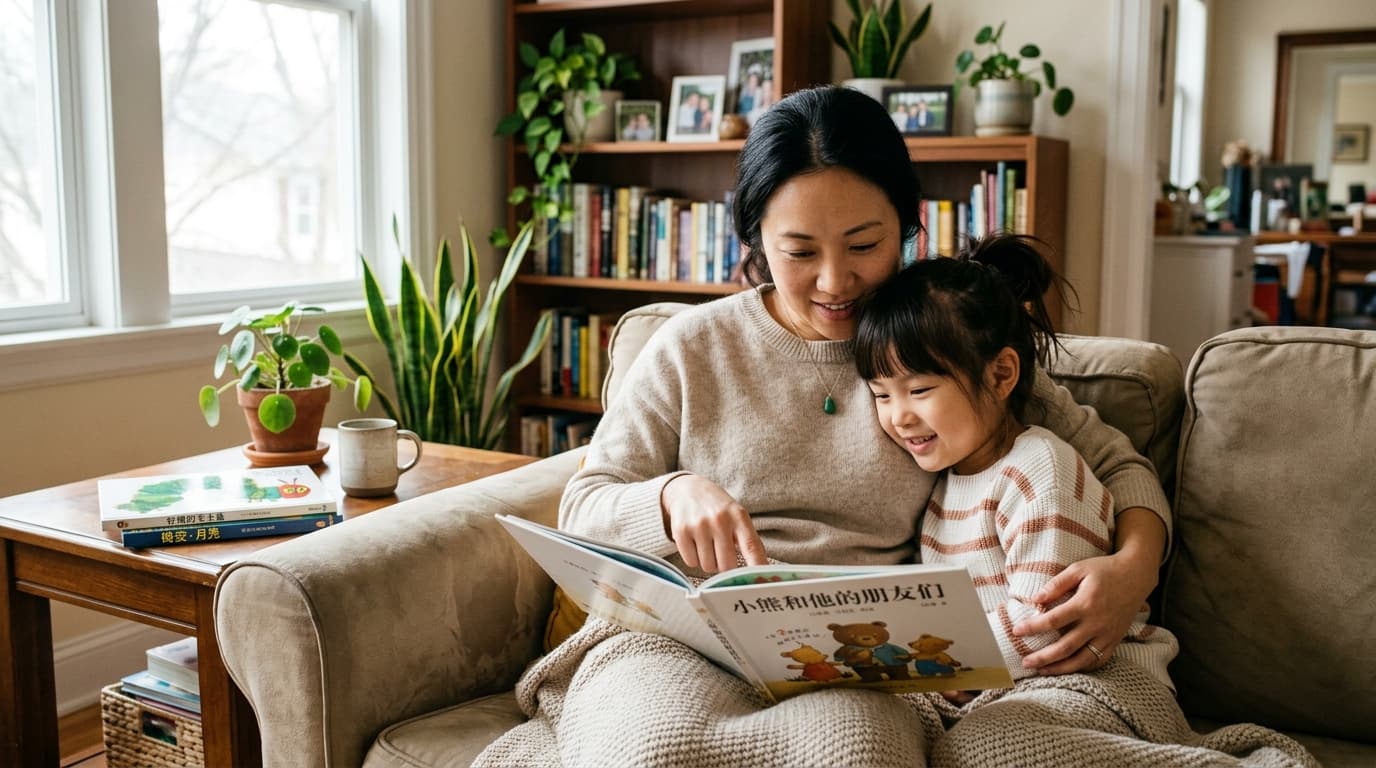
這是大部分在家自己教的人會漏掉的一塊:孩子應該儘早開始讀——而不只是背。孩子只要認得哪怕幾個字,就該讓這些字出現在一個真正的、小小的故事裡。分級讀物讓這件事變得可能:每一本都只用孩子已經學過的字寫成,所以第一個禮拜,就能嚐到「我讀完一整本書」的興奮。
每次都短,並且在高點收尾
每天十分鐘、專心又開心,會比一週一次、又長又緊繃的一堂課,帶孩子走得更遠。在他還想要更多的時候停下來。
如果你覺得「太晚」開始了呢?
如果孩子已經七、八歲還沒開始,那你手上握著的是優勢,不是問題:大一點的孩子學字更快、有更多口語詞彙可以掛靠、可以很快衝過前面幾級。做法是一樣的——一小把字、聲音先行、儘早開始讀——只是節奏更快而已。唯一真正的錯誤,是一直在等一個永遠不會來的「完美時機」。
老實說的結論
最好的開始時間,是孩子準備好的那一刻。第二好的時間,是今天。你不需要一個完美的年齡、一套完美的課程,也不需要你自己中文有多好——你需要的是從小處開始、把過程維持得溫暖,然後讓孩子嚐到讀懂一樣真東西的那份成就感。
Boba Chinese 正是圍繞這個起跑點打造的:一次幾個字,每一個都由母語者發音,而且從第一課就有一篇真正的分級故事在等著——大約每天十分鐘。免費試試,讓孩子這個禮拜就讀完他的第一本中文書。
The Question Behind the Question
"When should I start teaching my child to read Chinese?" is rarely just about age. Underneath it is a quieter worry: Am I too late? Did I miss the window?
Take a breath — you almost certainly haven't. There's no cliff at age six that closes the door on Chinese reading. What matters far more than a birthday is readiness plus consistency. A four-year-old and an eight-year-old can both start successfully; they'll just start a little differently.
Speaking Comes First, Reading Follows
In any language, children learn to listen and speak before they learn to read. Chinese is no exception. A child needs a base of spoken vocabulary — words they recognize by ear — before characters mean anything. The character 媽 is just a shape until your child already knows and loves the sound mā and the person it points to.
This is good news for heritage families. If your child hears any Mandarin at home, you've already been laying the foundation for reading without calling it that. Reading instruction simply connects the sounds they know to the symbols on the page.
Signs Your Child Is Ready
You don't need a test. Watch for these everyday signals:
- They recognize that symbols carry meaning — pointing at a logo, a sign, or letters and asking "what does that say?"
- They can sit with a picture book for a few minutes and stay engaged with the story.
- They enjoy repetition — asking for the same song or story again and again (this is exactly the instinct that locks characters in).
- They have some spoken Chinese to anchor to — even a small everyday vocabulary is enough to begin.
If you see a few of these, your child is ready to begin — regardless of whether they're four or eight.
How to Begin — Gently
Start with a tiny set of characters
Resist the urge to "cover" a lot. The fastest path to a child who hates Chinese is a flashcard pile of fifty characters. Begin with a handful of high-frequency, meaningful characters — ones tied to your child's world (人, 大, 媽, 水). A few characters, learned well and revisited often, beat fifty half-learned ones.
Connect every character to sound and meaning
A character learned in isolation is fragile. A character your child has heard in a native voice, seen in a story, and used in a game becomes sticky. Sound first, then the shape, then a chance to use it.
Move into reading almost immediately
Here's the part most home efforts miss: children should start reading — not just memorizing — as early as possible. The moment your child knows even a few characters, they should meet those characters inside a real, tiny story. Leveled readers make this possible: each book is built only from characters your child has already learned, so the very first week can include the thrill of "I read a whole book."
Keep sessions short and end on a high
Ten focused, happy minutes a day will take your child further than a long, tense session once a week. Stop while they still want more.
What If You're Starting "Late"?
If your child is seven or eight and hasn't begun, you have an advantage, not a problem: older children learn characters faster, have more spoken vocabulary to anchor to, and can move through early levels quickly. The approach is the same — small set, sound-first, read early — just at a quicker pace. The only real mistake is waiting for a "perfect" moment that never comes.
The Honest Bottom Line
The best time to start was whenever your child was ready. The second-best time is today. You don't need a perfect age, a perfect curriculum, or perfect fluency yourself — you need to begin small, keep it warm, and let your child taste the win of reading something real.
Boba Chinese is built around exactly this on-ramp: a few characters at a time, every one voiced by a native speaker, and a real leveled story waiting from the very first lesson — about ten minutes a day. Try it free and let your child read their first Chinese book this week.