先掌握兩個核心觀念
在講具體做法之前,先了解雙語研究者認為母語能不能留住的兩個關鍵:接觸量和真實需求。
孩子需要夠多的中文輸入來累積語言能力,同時也需要在日常生活中有真正得用到中文的理由。下面七個策略,都是圍繞著這兩件事在做文章。
策略一:在家就說中文(MLAH)
少數語言家庭法(Minority Language at Home)的原則很簡單:中文是家裡的預設語言,英文留給外面的世界。這為中文畫出一條自然的界線,給它一個可以安心成長的空間。
這不是說你在家永遠不能冒出一句英文。而是中文是預設的模式。當孩子切換成英文的時候(他們一定會),你溫和地繼續用中文接話。時間一長,習慣就建立起來了。
**怎麼開始:**如果你們家現在還不是這樣,可以慢慢來。先設定「中文時段」——晚餐對話、睡前故事、週末早上——然後一點一點擴大範圍。
策略二:製造「非說不可」的場合
孩子會去學他需要說的語言。如果家裡每個人都懂英文,孩子根本沒有非說中文不可的理由——除非你幫他創造。
最有效的方法就是只說中文的人。定期跟爺爺奶奶影片、跟說中文的朋友一起玩、去中文社群活動,都能給孩子一個真正需要開口的理由。
**小建議:**每週安排一次跟主要說中文的親人視訊通話。哪怕只有十五到二十分鐘的真實對話,也比好幾個小時的被動聽力管用得多。
策略三:用「重述」代替糾正
孩子說了英文或中文語法有誤的時候,不要直接指出來。用重述的方式——像聊天一樣,自然地用正確的中文把他的意思再說一遍。
孩子:「I want the red one.」
你:「你要紅色的?好,給你紅色的。」
這樣做既提供了正確的語言示範,又不會讓孩子對說中文產生排斥感。他聽到了正確的表達,但完全不覺得被批評。
策略四:讓螢幕時間幫你的忙
如果孩子會看影片或玩 app(大機率會),那就讓其中一部分變成中文時間。中文卡通、兒歌和教育 app 都能提供寶貴的聽力輸入。
關鍵是選孩子真的想看的內容——而不是那種像在上課的「教育片」。孩子喜歡某個英文節目的話,查查有沒有中文版。很多熱門兒童節目都有普通話配音。
**建議:**設一個簡單的規則,比如放學後的螢幕時間固定看中文。
策略五:打造中文書架
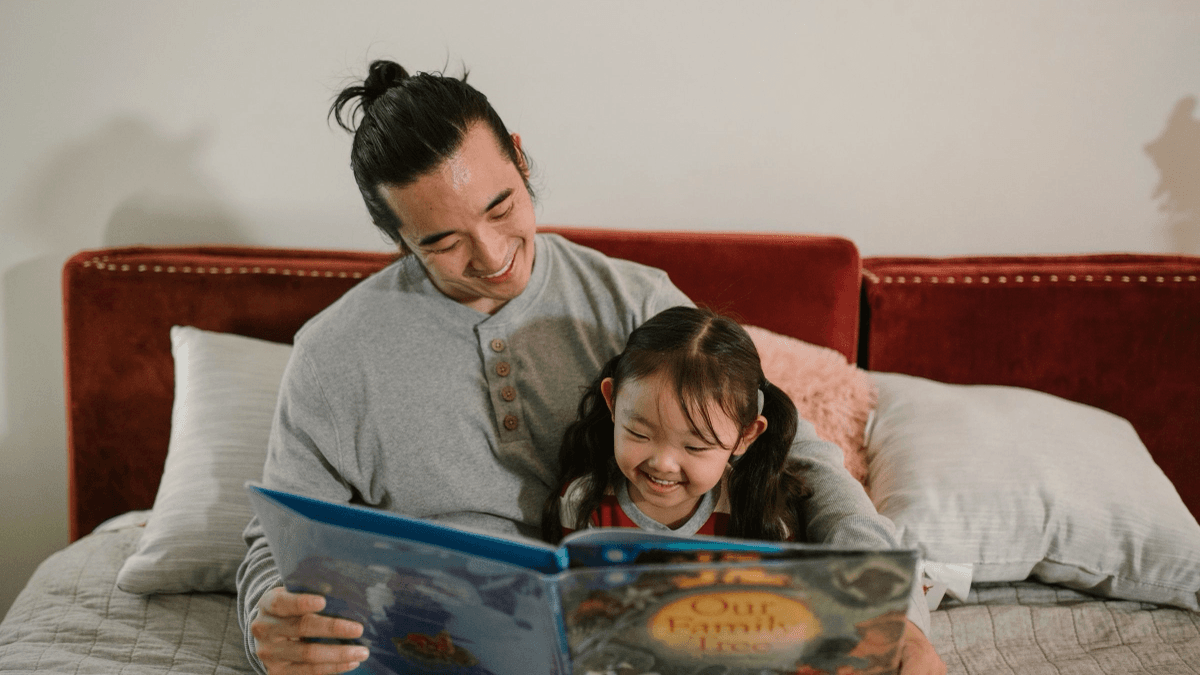
閱讀是累積詞彙和語感最有效的方式之一。讓中文書隨處可見——書架上、床頭櫃上、車裡——讓翻中文書變成一件自然而然的事。
從小小孩的繪本開始,慢慢加入文字比較多的書。讀的過程中需要解釋詞彙、偶爾中英夾雜都沒關係——重點是讓中文閱讀變成開心的事。
策略六:把中文跟好玩的事綁在一起
讓孩子討厭一種語言最快的方法,就是讓它變成苦差事。相反的做法是:把中文跟孩子本來就喜歡的事連在一起。
- 一起做菜,邊做邊用中文說(食物詞彙自然就學會了)
- 做手工的時候用中文引導
- 唱歌——學幾首中文兒歌
- 玩要用到中文字或詞彙的遊戲
- 過節——讓中文變得特別、讓人興奮
當中文跟快樂和親密感連在一起,而不是跟義務掛鉤,孩子對語言的態度就會正面起來。
策略七:找到你的同路人
在單語環境裡養雙語孩子,有時候真的很孤獨。找到一起走的家庭,不只為你提供支援,更重要的是給孩子一群說中文的同齡朋友。
可以找找看:
- 你那裡有沒有中文親子活動小組
- 週末中文學校或文化課
- 網上的雙語育兒社群
- 圖書館、博物館或社群中心的文化活動
當孩子看到其他小朋友也說中文,「說中文讓我顯得不一樣」的感覺就會慢慢消失。雙語變成一件正常的事。
貫穿七個策略的核心
如果有一件事是貫穿所有策略的,那就是:堅持,但對自己和孩子都溫柔一點。
總會有孩子不想說中文的日子,也會有英文佔上風的階段。這很正常,不代表你失敗了。真正重要的是長期的節奏:持續的接觸、真實的需求、和快樂的連結。
母語維護是馬拉松,不是百米衝刺。每一次中文對話、每一個睡前故事、每一通跟爺爺奶奶的影片,都是在為孩子的雙語未來存錢。
The Two Essential Ingredients
Before diving into specific strategies, it helps to understand what bilingual researchers identify as the two non-negotiable conditions for heritage language success: exposure and need.
Your child needs sufficient input in Chinese to develop their language skills, and they need genuine reasons to use Chinese in their daily life. All seven strategies below work toward maximizing one or both of these conditions.
Strategy 1: Minority Language at Home (MLAH)
The MLAH approach is simple: Chinese is the default language spoken at home. English is for the outside world. This creates a natural boundary that gives Chinese the protected space it needs to thrive.
This doesn't mean you can never speak English at home. It means Chinese is the expected, default mode. When your child switches to English (and they will), you gently continue in Chinese. Over time, this consistency builds the habit.
How to start: If you're not already using MLAH, transition gradually. Start with designated "Chinese times" — dinner conversation, bedtime stories, weekend mornings — and expand from there.
Strategy 2: Create Communicative Need
Children learn to speak the language they need to speak. If everyone in the household understands English, your child has no practical reason to use Chinese — unless you create that reason.
The most powerful motivator is people who only speak Chinese. Regular video calls with grandparents, playdates with Chinese-speaking friends, or visits to Chinese-speaking communities give your child authentic reasons to use their heritage language.
Practical tip: Schedule a weekly video call with a relative who primarily speaks Chinese. Even 15-20 minutes of genuine conversation is more valuable than hours of passive listening.
Strategy 3: Use the Recasting Technique
When your child says something in English or makes a grammar error in Chinese, don't correct them directly. Instead, recast — repeat what they said back in correct Chinese, naturally and conversationally.
Child: "I want the red one." You: "你要紅色的?好,給你紅色的。" (You want the red one? OK, here's the red one.)
This technique provides correct language input without creating negative feelings about Chinese. Your child hears the right way to say it without feeling criticized.
Strategy 4: Make Screen Time Work for You
If your child is going to watch videos or use apps (and they probably are), make some of that time Chinese-language time. Chinese cartoons, children's songs, and educational apps can provide valuable listening exposure.
The key is choosing content that's genuinely engaging — not "educational" content that feels like homework. If your child loves a show in English, see if there's a Chinese version. Many popular children's programs are available in Mandarin.
Recommendation: Set a rule that one specific time slot (like after-school screen time) is always in Chinese.
Strategy 5: Build a Chinese Bookshelf
Reading is one of the most effective ways to build vocabulary and language awareness. Having Chinese books readily available — on the shelf, on the bedside table, in the car — normalizes reading in Chinese.
Start with picture books for younger children and gradually introduce books with more text. Don't worry if you need to explain words or switch between languages while reading — the goal is to make Chinese reading a positive, enjoyable experience.
Strategy 6: Connect Language to Fun Activities
The fastest way to make a child resist a language is to make it feel like a chore. Instead, connect Chinese to activities your child already enjoys:
- Cooking together in Chinese (learning food vocabulary naturally)
- Arts and crafts with Chinese instructions
- Music and singing Chinese children's songs
- Games that use Chinese characters or vocabulary
- Cultural celebrations that make Chinese feel special and exciting
When Chinese is associated with fun and connection rather than obligation, children develop positive attitudes toward the language.
Strategy 7: Find Your Community
Raising a bilingual child in a monolingual environment can feel isolating. Finding other families on the same journey provides support for parents and, crucially, Chinese-speaking peers for your child.
Look for:
- Heritage language playgroups in your area
- Chinese weekend schools or cultural programs
- Online communities of bilingual parenting families
- Cultural events at libraries, museums, or community centers
When your child sees other kids speaking Chinese, it normalizes bilingualism and reduces the feeling that Chinese makes them "different."
The Most Important Strategy
If there's one overarching principle that ties all seven strategies together, it's this: be consistent, but be kind — to yourself and your child.
There will be days when your child refuses to speak Chinese. There will be phases where English dominates. This is normal and doesn't mean you've failed. What matters is the long-term pattern of exposure, need, and positive association.
Heritage language maintenance is a marathon, not a sprint. Every Chinese conversation, every bedtime story, every video call with grandma is a deposit in your child's bilingual future.