祖父母的力量
這個結論可能會讓你意外:研究美國華人家庭母語傳承的學者發現,祖父母的參與是孩子能不能維持中文的最強預測因素之一。
不是貴貴的家教,不是週末中文學校,也不是閃卡 app。是爺爺奶奶、外公外婆。
為什麼?因為祖父母創造了語言學習裡最強大的條件:非說不可的理由。 當一個深愛孩子的人只會說中文,孩子就有了一個真實的、發自內心的理由去使用這個語言。
為什麼爺爺奶奶這麼有效
1. 情感是最好的動力
小朋友學語言是為了人,不是為了什麼抽象的將來。孩子才不在乎中文十二年後在大學申請上好不好看。但他百分之百在乎能聽懂奶奶講的故事、能逗爺爺笑、能感受到那個無條件愛他的人的親近。
這種情感紐帶創造的動力,是任何教材都複製不了的。
2. 天然的語言輸入
爺爺奶奶跟孫輩說話的方式跟爸媽不一樣——通常詞彙更簡單、重複更多、語調更豐富。這種說話方式叫做兒童導向語言,正好是語言研究證實對幼兒最有效的輸入方式。
祖父母通常也更有耐心。說一遍不懂就換個方式再說,比手劃腳也沒關係,直到講通為止。這種沒有壓力的環境,是練習語言的最佳場所。
3. 文化的活字典
祖父母是連線文化知識的一座橋。透過他們,孩子學到的不只是語言,還有讓語言有溫度的故事、傳統、價值觀和幽默感。一個漢字只是一個符號,直到奶奶講了背後的故事。一個節日只是放一天假,直到爺爺解釋了它對這個家的意義。
隔著時區也能發揮作用
很多雙語家庭跟祖父母隔著半個地球。但距離不一定會削弱「祖父母效應」。以下是拉近距離的方法:
有規劃的視訊通話
固定的視訊通話是基礎,但跟小朋友的隨意聊天往往「你好嗎?」之後就冷場了。給通話加一點結構:
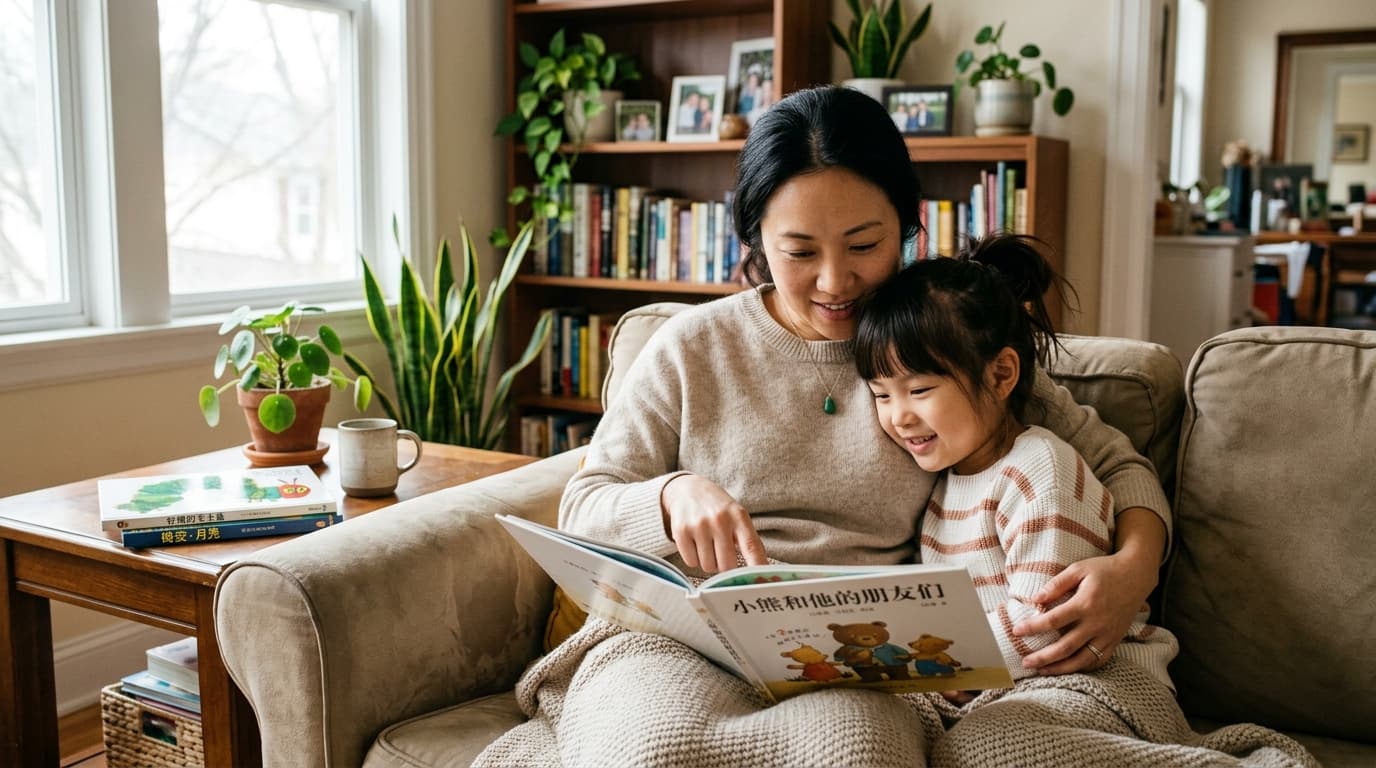
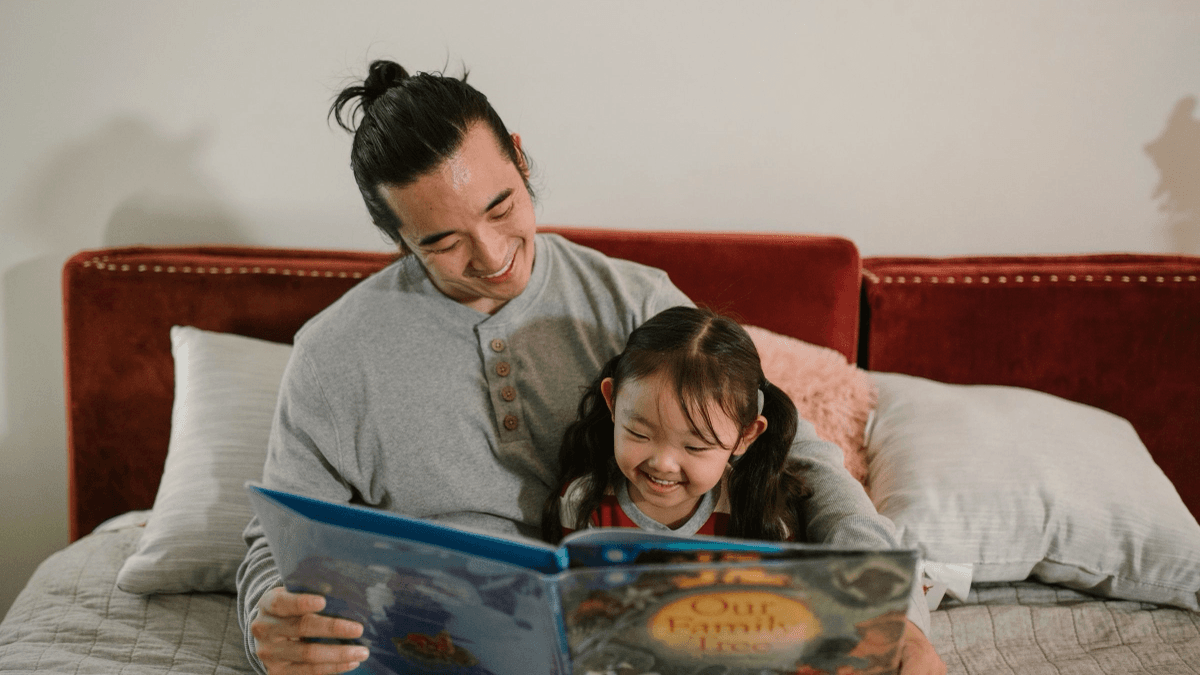
- 講故事時間: 祖父母讀繪本,把書舉到鏡頭前
- 展示分享: 孩子秀自己的畫、玩具或這周學到的東西
- 一起做菜: 兩邊同時做同一道簡單料理
- 玩遊戲: 通過影片玩猜謎、卡牌或接龍
- 小幫手: 祖父母幫忙練中文寫字或一起讀
**時間安排很重要。**每週固定時間的二十分鐘通話,比隨意的、不定時的聊天有效得多。孩子(和祖父母)都需要規律感。
語音留言
時差大的家庭特別適合語音留言這招。爺爺奶奶可以錄睡前故事、早安問候、或回答孫輩的問題。孩子想什麼時候聽就什麼時候聽。
這個方法好在哪裡:
- 孩子可以反覆聽
- 祖父母可以在方便的時候錄
- 那種親切溫暖的聲音,完整地被保留下來了
一起做同一件事
科技讓以前不可能的事變成了可能:
- 一起看: 同時播同一個中文節目,視訊通話一起反應
- 一起畫: 用共享白板 app 一起畫畫寫字
- 一起讀: 雙方都拿同一本繪本,通話時一起翻
- 照片日記: 孩子拍日常照片配上中文說明,祖父母回覆
住附近的話,更要善用
如果你夠幸運,跟祖父母在同一座城市,這裡是最大化語言效果的方法:
定期的一對一時間
安排沒有爸媽在場的祖孫時光。當中間沒有人可以翻譯,孩子只好直接用中文溝通。可以是:
- 每週在爺爺奶奶家待一個下午
- 固定出門逛公園、去圖書館、逛菜市場
- 偶爾過夜
培養共同愛好
幫祖孫找到雙方都享受的活動。一起做菜、種花、下棋、做手工——具體做什麼不那麼重要,重要的是它自然而然地製造了持續的中文對話。
讓爺爺奶奶講故事
每個家庭都有故事。鼓勵祖父母分享家族往事、他們小時候的經歷和老家的記憶。這些故事太珍貴了——既是語言輸入,也是可能會失傳的家族遺產。
考慮把這些故事錄下來。日後回頭看,會成為無價的家庭寶藏。
可能遇到的挑戰
祖父母自己切換成英文了
有些祖父母學了英文,跟孫輩說話時會不自覺地用英文,尤其當他們覺得孩子中文有困難的時候。出發點是好的,但效果適得其反。
溫柔地跟祖父母解釋為什麼堅持說中文很重要。用正面的方式說:「您的中文,是您能給他們最珍貴的禮物。」
語言程度差距大
如果孩子中文有限,一開始的溝通可能讓兩邊都有點挫折。你可以這樣幫忙:
- 先告訴祖父母孩子已經會的關鍵詞句
- 教孩子幾個可以問爺爺奶奶的問題
- 從不需要太多語言的活動開始(畫畫、做菜)
- 隨著默契建立,慢慢增加語言的複雜度
祖父母糾錯太頻繁
有些祖父母急著想讓孫輩說出標準的中文,每個錯都要糾。這會讓孩子怕開口。跟祖父母聊聊重述法:把孩子說的話用正確的中文再說一遍,但不明說「你說錯了」。
每一次互動都在累積
不需要爺爺奶奶住在隔壁或天天有空。就算只是每週一通影片、幾則語音訊息或每個月見一次面,都是在為孩子的中文拉一條看不見的線。
研究說得很清楚:祖孫之間的情感連結,是維護母語最強大的力量之一。你要做的只是為這份連結創造空間——用中文。
The Grandparent Effect
Here's something that might surprise you: research on heritage language socialization in Chinese American families found that grandparent involvement is one of the strongest predictors of whether a child maintains their Chinese.
Not expensive tutors. Not weekend schools. Not flashcard apps. Grandparents.
Why? Because grandparents create the single most powerful condition for language learning: genuine communicative need. When the person your child loves can only communicate in Chinese, your child has an authentic, emotional reason to use the language.
Why Grandparents Work
1. Emotional Motivation
Children learn languages for people, not for abstract future benefits. A child doesn't care that Chinese will look good on their college application in 12 years. But they absolutely care about understanding grandma's stories, making grandpa laugh, and feeling close to the people who love them unconditionally.
This emotional bond creates motivation that no curriculum can replicate.
2. Natural Input
Grandparents speak to children differently than parents — often using simpler vocabulary, more repetition, and more expressive intonation. This kind of input, called child-directed speech, is exactly what language acquisition research shows is most effective for young learners.
Grandparents also tend to be more patient with communication breakdowns, willing to repeat, rephrase, and use gestures until the message gets through. This low-pressure environment is ideal for language practice.
3. Cultural Context
Grandparents are living bridges to cultural knowledge. Through them, children learn not just language but the stories, traditions, values, and humor that give the language meaning. A Chinese character is abstract until grandma tells you the story behind it. A holiday is just a day off until grandpa explains what it means to your family.
Making It Work Across Time Zones
Many bilingual families live thousands of miles from grandparents. But distance doesn't have to diminish the grandparent effect. Here's how to bridge the gap:
Video Calls with Purpose
Regular video calls are the foundation, but unstructured calls with young children often fizzle out after "你好嗎?" (How are you?). Give the calls structure and purpose:
- Story time: Grandparent reads a story, holding the book up to the camera
- Show and tell: Child shows their artwork, toys, or what they learned this week
- Cooking together: Both sides make the same simple recipe simultaneously
- Game time: Play a simple card game or guessing game over video
- Homework helper: Grandparent helps with Chinese writing or reading practice
Schedule matters. A weekly 20-minute call at the same time is far more effective than sporadic, unpredictable calls. Children (and grandparents) thrive on routine.
Voice Messages
For families dealing with large time zone differences, asynchronous voice messages can be a game-changer. Grandparents record bedtime stories, daily greetings, or responses to your child's questions. Your child listens on their schedule.
This works especially well because:
- Your child can replay messages as many times as they want
- Grandparents can record at their convenience
- The personal, warm quality of a grandparent's voice is preserved
Shared Activities
Technology enables shared experiences that were impossible a generation ago:
- Watch together: Stream the same Chinese show simultaneously and react together over video
- Draw together: Use a shared whiteboard app to draw and write characters
- Read together: Both have the same Chinese picture book and read through it on a call
- Photo journals: Child sends photos of their day with Chinese captions; grandparent responds
Involving Grandparents Who Live Nearby
If you're fortunate to have grandparents in the same city, here's how to maximize the language benefit:
Regular One-on-One Time
Dedicate time for grandparent-grandchild activities without parents present. When Mom and Dad aren't there to translate, the child must communicate directly in Chinese. This can be:
- Weekly afternoon at grandparent's house
- Regular outings (park, library, market)
- Overnight stays
Shared Hobbies
Help grandparents and grandchildren develop shared activities that both enjoy. Cooking together, gardening, playing chess (圍棋), doing crafts — the specific activity matters less than the fact that it creates natural, extended conversation in Chinese.
The Grandparent as Storyteller
Every family has stories. Encourage grandparents to share family history, stories from their childhood, and tales from "the old country." These stories are precious — both as language input and as family heritage that might otherwise be lost.
Consider recording these stories. They become treasured family documents and valuable listening material for your child.
Navigating Challenges
When Grandparents Switch to English
Some grandparents learn English and default to it with their grandchildren, especially if they sense the child is struggling in Chinese. This is usually well-intentioned but counterproductive.
Gently explain to grandparents why Chinese-only communication is important. Frame it positively: "Your Chinese is the most valuable gift you can give them."
When Language Levels Don't Match
If your child's Chinese is limited, initial communication may be frustrating for both sides. Help by:
- Preparing grandparents with key phrases your child knows
- Teaching your child questions they can ask grandpa/grandma
- Starting with activities that don't require much language (drawing, cooking)
- Gradually increasing language complexity as comfort grows
When Grandparents Over-Correct
Some grandparents, eager for their grandchild to speak perfect Chinese, correct every error. This can make the child anxious about speaking. Talk with grandparents about the recasting technique: repeating what the child said correctly, without explicitly pointing out the error.
Every Interaction Counts
You don't need your parents to be living with you or available every day. Even a weekly video call, a few voice messages, or a monthly visit creates a thread of connection that sustains your child's Chinese development.
Research is clear: the emotional bond between grandparent and grandchild is one of the most powerful forces in heritage language maintenance. Your job is simply to create the space for that bond to flourish — in Chinese.